Biohazard Cleanup
Blood, sewage, sharps and other biohazards removed and disinfected by cleanup crews in protective gear.
Learn more →New Jersey · Camden County
Looking for a biohazard cleaning company in Laurel Springs, NJ? Get residential and commercial biohazard cleanup, including crime scene cleaning, blood cleanup, hoarding cleanup and sewage cleanup. Call (877) 812-4220, 24/7.
If anyone is in danger, call 911 first. For a suicide crisis, call or text 988.
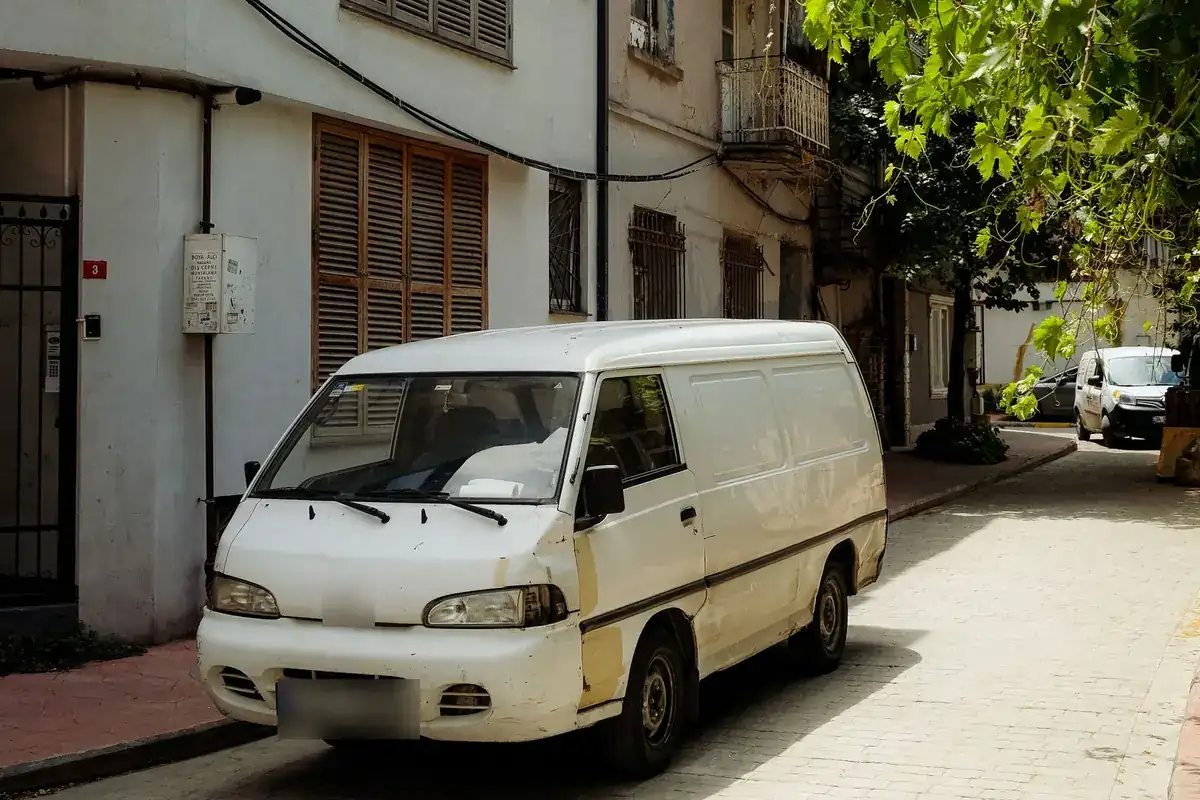
Cleaning up biohazard material is regulated work with real health risks, because blood and bodily fluids can carry bloodborne pathogens. If it happens, Laurel Springs families and businesses can call Laurel Springs Biohazard Cleanup Help for local biohazard cleanup.
The goal is simple: nothing harmful left behind. Technicians work in protective gear, treat the whole affected area, remove contaminated materials and keep cleaning until the space is livable again. This work is available in Laurel Springs, across Camden County and in towns like Stratford.
About 87% of homes in Laurel Springs were built before 1980, and older carpet, subfloor and wood trim absorb fluids deeply. With roughly 2,044 residents, Laurel Springs is a small community, and biohazard cleanup is available here the same way it is in a big city.
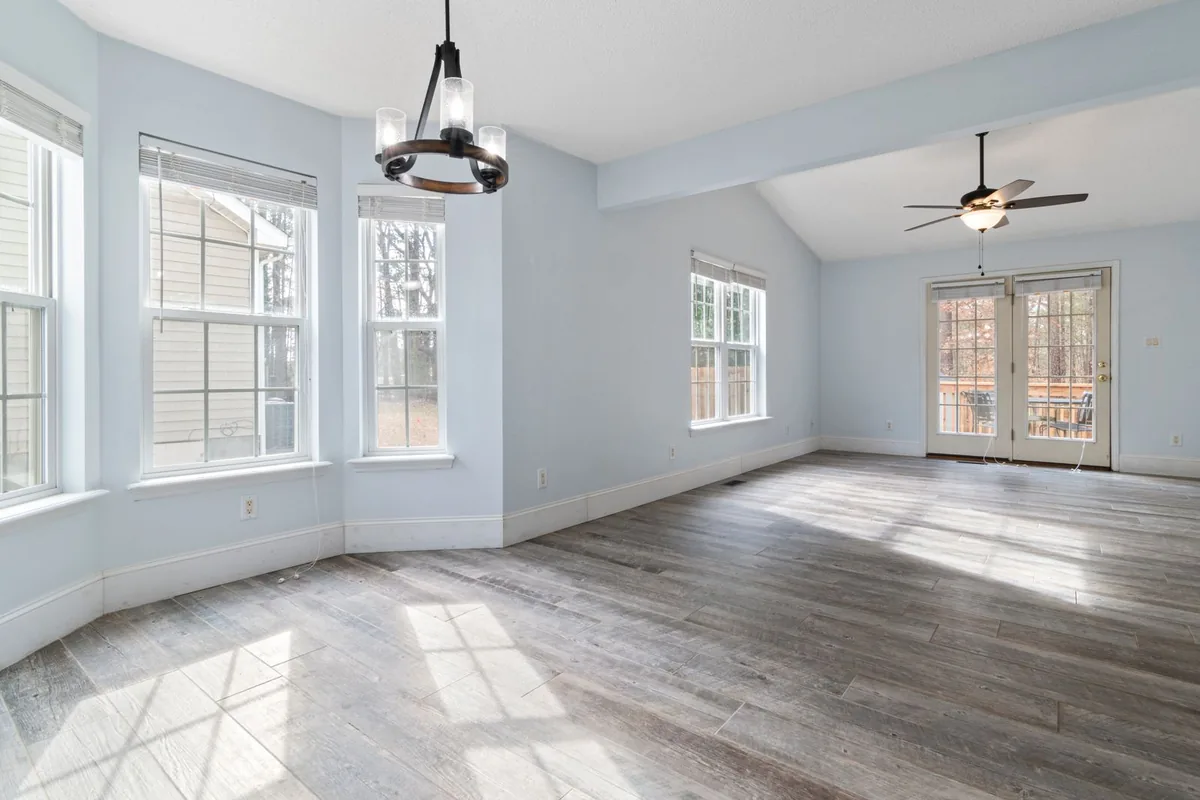
Infectious materials call for infection control, not just cleaning. Biohazard remediation crews use respirators, gloves and disposable coveralls under the OSHA Bloodborne Pathogens Standard (29 CFR 1910.1030), then bag every contaminated item for proper disposal.
Sealing, cleaning, disinfecting and ventilating work together. Plastic barriers and HEPA air scrubbers hold contaminants in place, EPA-registered disinfectants do the germ kill, and hydroxyl or ozone treatment clears the odor that is left.
Every biohazard removal service below is available 24/7 to property owners, landlords and businesses in Laurel Springs and the surrounding areas of Camden County.
Blood, sewage, sharps and other biohazards removed and disinfected by cleanup crews in protective gear.
Learn more →Cleanup after violent crimes, break-ins and assaults, using protective gear and EPA-registered disinfectants.
Learn more →Trauma and crime scene cleanup for homes, workplaces and vehicles, handled privately with protective gear.
Learn more →Decomposition cleanup that treats the room, the air and the odor at its source.
Learn more →Compassionate cleaning after a loss, with keepsakes set aside and the room returned safe.
Learn more →Compassionate cleanup after a death by violence, so families do not face the aftermath alone.
Learn more →Blood in cars, vans and rideshare vehicles cleaned from seats, mats and panels, then disinfected.
Learn more →Commercial feces cleanup and body fluid cleaning for restrooms, shops, schools and care sites.
Learn more →Urine and feces cleanup that removes soaked carpet, mattresses and furniture and sanitizes the affected area.
Learn more →Decomposition odor removal that treats flooring, walls and air after an unattended death.
Learn more →Respectful hoarder cleaning that clears exits, sorts belongings with you and cleans every room.
Learn more →Hoarding cleanouts for estates, sales and rentals, done carefully and without judgment.
Learn more →Respectful animal hoarder cleanup for owners, landlords and families, done step by step.
Learn more →Filth cleanup for kitchens, bathrooms and living areas, with odor treated at its source.
Learn more →Category 3 cleanup with protective gear, sealed disposal and EPA-registered disinfectants.
Learn more →Biohazard decontamination after outbreaks, with protective gear, set order of work and sealed disposal of waste.
Learn more →Surfaces cleaned, disinfected and checked so a contaminated room or vehicle is safe to use again.
Learn more →Medical waste removal: sharps, soaked dressings and clinical waste packed, sealed and hauled away.
Learn more →Sharps cleanup with protective gear, puncture-resistant containers and proper medical waste disposal.
Learn more →Discreet drug residue cleanup for rentals, homes, hotels and businesses, with protective gear throughout.
Learn more →Meth lab cleanup: residue testing, removal of contaminated materials and decontamination of the property.
Learn more →Careful fentanyl cleanup that avoids dry sweeping, controls dust and seals contaminated waste.
Learn more →Spills, leaks and abandoned chemicals contained, removed and hauled away by crews in protective gear.
Learn more →Cleanup that begins once responders clear the scene, with records for insurers, owners and inspectors.
Learn more →Pepper spray cleanup that lifts oily residue from surfaces without spreading it to clean rooms.
Learn more →Hantavirus-aware cleanup for cabins, sheds, barns and homes with HEPA-filtered equipment and disinfection.
Learn more →Pigeon and bird droppings cleanup on ledges, balconies, warehouses and storefronts.
Learn more →Gentle, private cleanup after a pet or wild animal has died at your home or business.
Learn more →Vehicle biohazard cleanup for cars, trucks, vans and buses, with soaked upholstery removed and odor treated.
Learn more →Injury scene cleaners remove soaked materials, treat odor and prepare records for employers and insurers.
Learn more →Commercial cleaning crews disinfect offices, shops, plants and rentals after injuries, deaths and backups.
Learn more →House cleanout and hauling for estates, landlords and out-of-town families after a loss.
Learn more →The first step is deciding what is unsafe and how far the contamination goes. Hazards such as sharps, broken glass or sewage are noted before anyone starts.
Affected rooms are isolated so contamination and odor stay put. Technicians suit up and bring in the equipment the job needs.
Porous materials are removed, surfaces are scrubbed and disinfected, and tools are cleaned between steps so germs are not carried to other rooms.
Odor is neutralized, biohazardous waste leaves under medical waste rules, and a final inspection confirms the property is safe to use again.
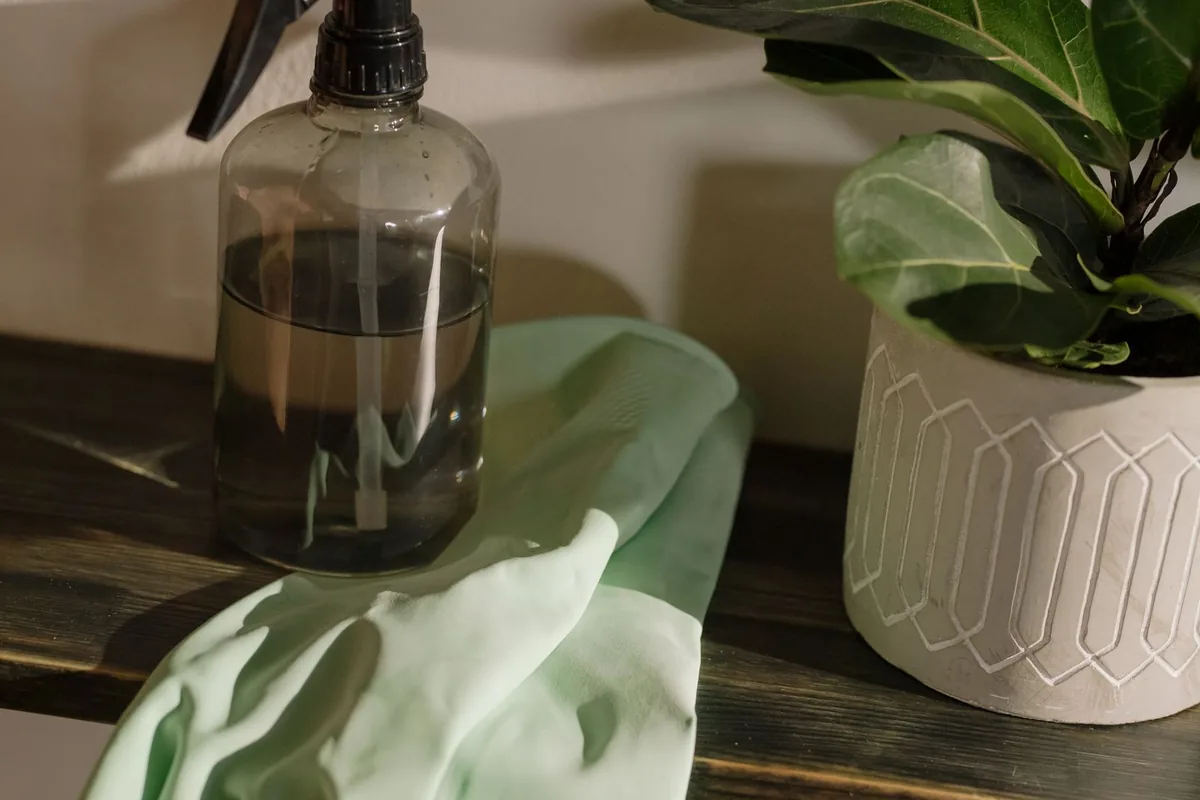
Death odor and sewage smell are treated with air scrubbers and hydroxyl or ozone equipment, not masked with sprays that fade.
Hoarded homes, neglected rentals and difficult situations are treated with dignity. The only goal is a safe, clean space again.
One biohazard cleanup company covers removal, disinfection, odor removal and damaged materials, so the family can step back.
A final inspection, with odor and surface checks where they help, confirms the area is safe before the cleanup is called complete.
Biohazard cleanup in Laurel Springs, NJ typically costs $500 to $25,000, depending on the type of biohazard, the size of the affected area and how far fluids soaked into porous materials.
Most residential jobs cost $3,000 to $5,000 (Fixr). Ask what is included before agreeing to anything: removal, disinfection, odor control, waste disposal and paperwork. A clear scope helps the family, the landlord and the insurance company agree on the cost.
| Type of job | Typical range |
|---|---|
| Blood spill cleanup, small area | $500 - $2,500 |
| Crime scene cleanup, most homes | $1,500 - $7,500 |
| Unattended death cleanup | $2,000 - $7,000 |
| Suicide cleanup | $1,500 - $5,500 |
| Sewage cleanup, most homes | $2,000 - $10,000 |
| Hoarding cleanup, level 3 home | $2,000 - $5,000 |
| Meth lab cleanup, typical | $15,000 - $20,000 |
Estimates only, not a quote. Sources: Fixr, Yelp Costs, BioCleaners Directory, PushLeads, Dropcurb, Bob Vila and cleanup company cost guides. Call (877) 812-4220 to talk through the job.
Homes, churches and businesses may need infectious disease disinfection, needle and sharps cleanup, or meth lab and fentanyl decontamination after a property is released.
Camden County has a Relatively High river flood risk rating from FEMA. Floodwater mixes with sewage, and anything it touches needs full biohazard cleaning, not just drying.
With renters in about 20% of homes in Laurel Springs, landlords and property managers often call about tenant deaths, abandoned units and unsafe conditions that need biohazard cleaning.
Attics, barns and sheds can hold droppings, guano and carcasses that carry disease. Careful removal and disinfection protect the people who go back in.
When a death goes unnoticed for days, decomposition fluids reach flooring and subfloor and the odor spreads. Death cleanup removes the affected materials and treats the odor at the source.
Failing septic systems and sewer backups push raw sewage, a Category 3 biohazard, into homes. Sewage cleanup removes contaminated materials and disinfects every surface.
Before any cleanup starts, the crew asks two questions: what is it, and how much of the property does it touch? The answers shape the safety plan, the equipment and the overall cost.
A few drops from a small cut can sometimes be cleaned up by a careful person wearing gloves, with disinfectant on hard surfaces. Larger amounts, anything on porous materials, or fluids from another person are best left to a cleanup crew.
Symptoms such as stomach pain, vomiting and diarrhea can begin within a few hours to a few days after contact with raw sewage, depending on the germ. Sewage is a Category 3 biohazard, so it should be cleaned by a crew wearing protective gear, and anyone with symptoms should see a doctor.
Often, yes. Many homeowners and renters insurance policies cover biohazard cleaning after a sudden event such as a death, crime or accident, after the deductible. Hoarding and gradual damage are often excluded. The cleanup work is documented with photos and notes for the insurance company.
Yes. Raw sewage is treated as Category 3 water because it can carry bacteria such as E. coli, viruses and parasites. Porous materials it touches usually must be removed, and the rest is cleaned and disinfected.
Biohazard cleanup is the removal, cleaning and disinfection of anything that can spread disease: blood, bodily fluids, tissue, decomposition, human and animal waste, raw sewage, sharps and drug residue. It covers crime scene cleanup, unattended death cleanup, trauma scene cleanup, suicide cleanup, hoarding cleanup and infectious disease disinfection.
Many jobs are priced by the scope of the work rather than as one simple hourly rate. The type of biohazard, the size of the area, the materials removed and waste disposal set the total. Ask the cleanup team how the cost is worked out.
Yes. Laurel Springs has about 2,044 residents, and the same biohazard cleanup services are available in Laurel Springs and across Camden County. Call (877) 812-4220 to talk through the job.
The nearest emergency room is Jefferson Stratford Hospital in Stratford, about 1 miles from Laurel Springs. In any emergency, call 911 first. Cleanup waits until people are safe.
Crews also work near Laurel Springs, in places such as Stratford, Lindenwold and Camden. Biohazard cleanup, crime scene cleaning and death cleanup are available across Camden County.
Calls are answered 24/7 and handled with care and privacy.
Call (877) 812-4220