1. Assess what happened
The team learns what caused the contamination and how far it spread. It notes porous items such as carpet and mattresses that often cannot be fully disinfected.
Laurel Springs, NJ · Camden County
A visible mess may be gone, but germs can remain on floors, walls and fabrics in Laurel Springs. Call (877) 812-4220 for biohazard decontamination covering residue removal, disinfection and waste disposal.
If anyone is in danger, call 911 first. For a suicide crisis, call or text 988.
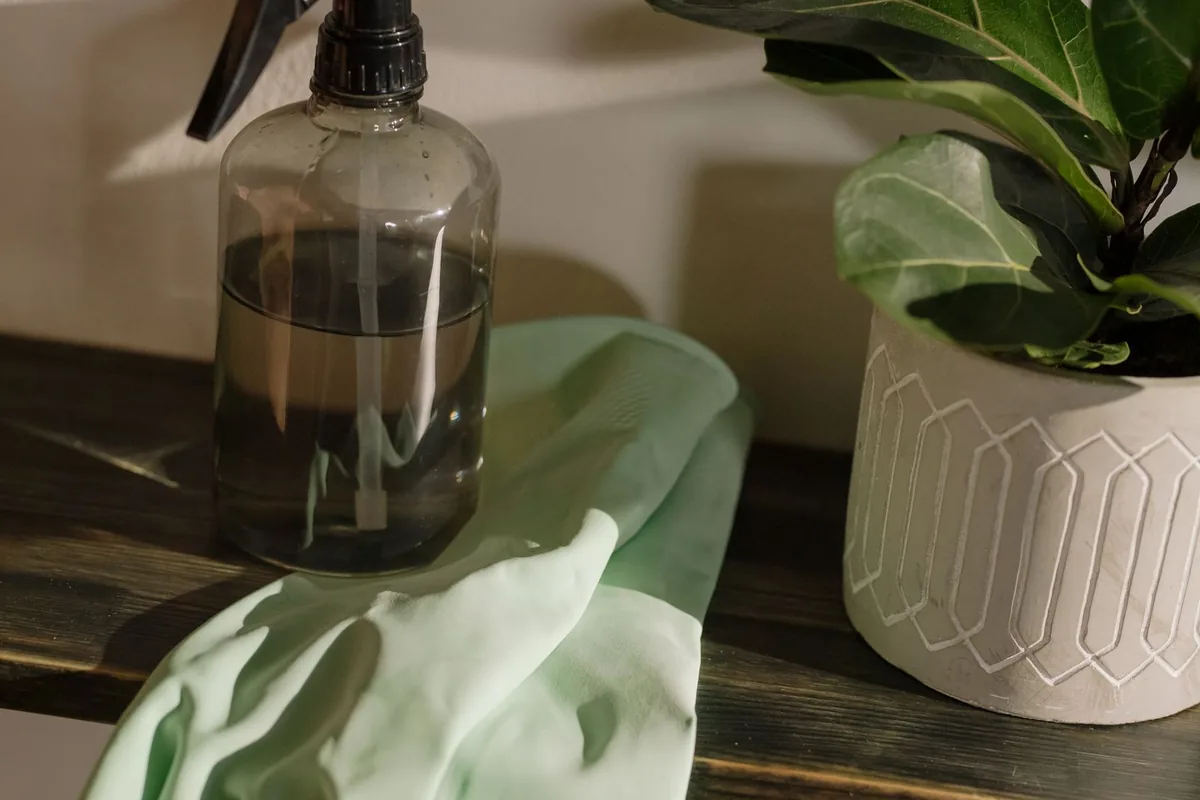
To decontaminate means to remove contamination from surfaces and the air until the space is safe for people to use. In a biohazard setting, that means cleaning first, then disinfecting, then treating odor.
Need biohazard remediation specialists in Laurel Springs or Camden County? Get help from Laurel Springs Biohazard Cleanup Help. Your crew uses EPA-registered disinfectants, removes items that germs have soaked into and keeps each job discreet.
Homeowners dominate in Laurel Springs, with renters at about 20% of households, and a homeowners policy is often the first place to check for coverage. Older housing is common in Laurel Springs, around 87% built before 1980, and porous materials there often need removal, not just disinfection.
A typical biohazard decontamination job includes:
The team learns what caused the contamination and how far it spread. It notes porous items such as carpet and mattresses that often cannot be fully disinfected.
The crew isolates the affected rooms and limits airflow so germs do not travel. Waste containers and cleaning supplies are staged inside the zone.
The team works from the cleanest areas toward the most contaminated. Surfaces are cleaned, rinsed and treated with a hospital-grade disinfectant.
The team inspects every treated spot, and some add swab tests. Regulated waste leaves the property in labeled containers.
Biohazard decontamination in Laurel Springs, NJ typically costs $1,000 to $15,000, depending on the size of the affected area and the materials involved.
The price of biohazard decontamination depends first on the size of the area and the type of contamination. A single hard-floor room takes less work than several rooms with carpet and furniture.
| Type of job | Typical range |
|---|---|
| Typical national range | $3,000 - $5,000 |
| Residential average range | $1,800 - $4,500 |
| Biohazard cleanup, published span | $1,000 - $15,000 |
Estimates only, not a quote. Sources: Fixr, Yelp Costs, Biohazard cleanup company pricing guide. Price drivers include type of contamination, size of the space, surfaces affected, waste disposal. Call (877) 812-4220 to talk through the job.
Yes. Property managers often call when a unit shows signs of bodily fluids, sewage or neglect. The lease and local law decide who pays, and the crew can provide photos and records for the owner.
Crews clean, then disinfect touch points, bedding, floors and shared surfaces with products suited to the germ. They wear PPE and bag soiled items safely. The same process applies to C. diff, norovirus and other infections.
Biohazard remediation is the full process of containing, removing and treating biological contamination. Decontamination is the last stage, where surfaces are disinfected and checked. Many companies use the two terms for the same job.
A small area with hard surfaces can take a few hours. Larger or more complicated spaces, heavy odor or many porous items take longer. The crew can offer a better timeline after seeing the site.
A biological hazard is any living organism or material from one that can harm health. Examples are bacteria, viruses, mold, blood, bodily fluids, sewage and animal waste. Chemicals and radiation are a different type of hazard.
The price depends on the size of the area, the materials, the type of contamination, waste, odor treatment and travel. The team can give a figure after it sees the site or hears the details. Insurance may cover part of it.
Describe the contamination by phone and the crew explains how it would be treated.
Call (877) 812-4220